
Literary connections
Places where the books were written
Follow the moors, coastlines, and old town closes behind the novels and poems. Each stop links a real landscape to the stories that made it known.
Key destinations
Three regions shaped by their writers
West Yorkshire
Haworth and the Brontë moors
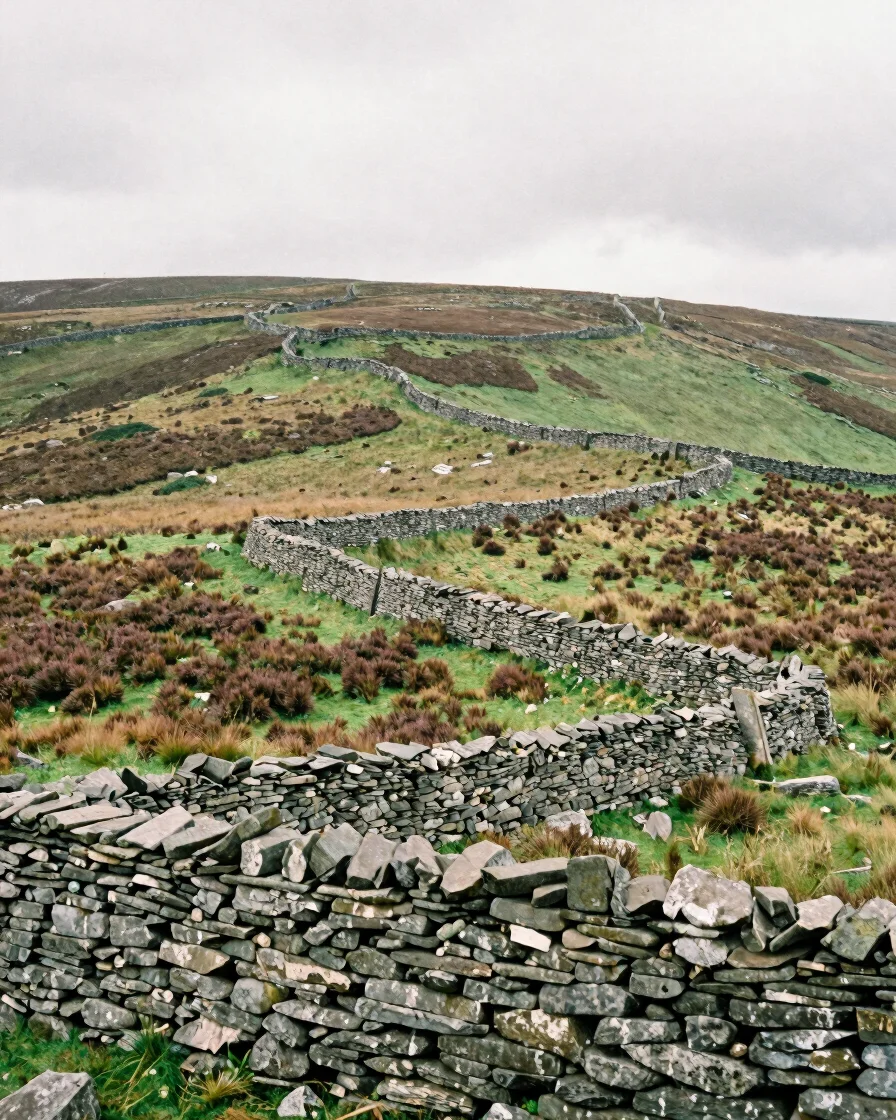
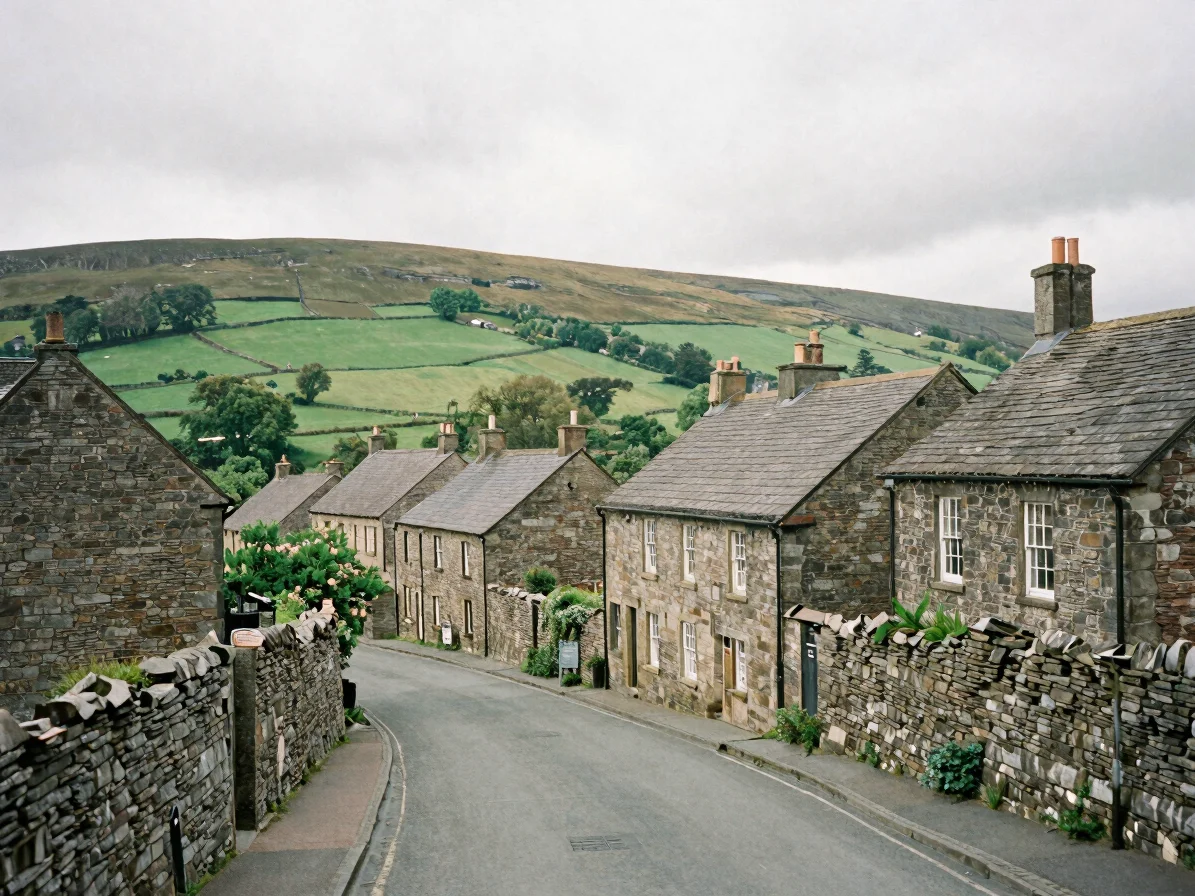
The parsonage sits above a village of stone terraces, with open moorland running out behind it. Walk the paths the sisters knew and see how the weather and rough ground shaped the novels set there.
Dorset
Hardy's Wessex coastline
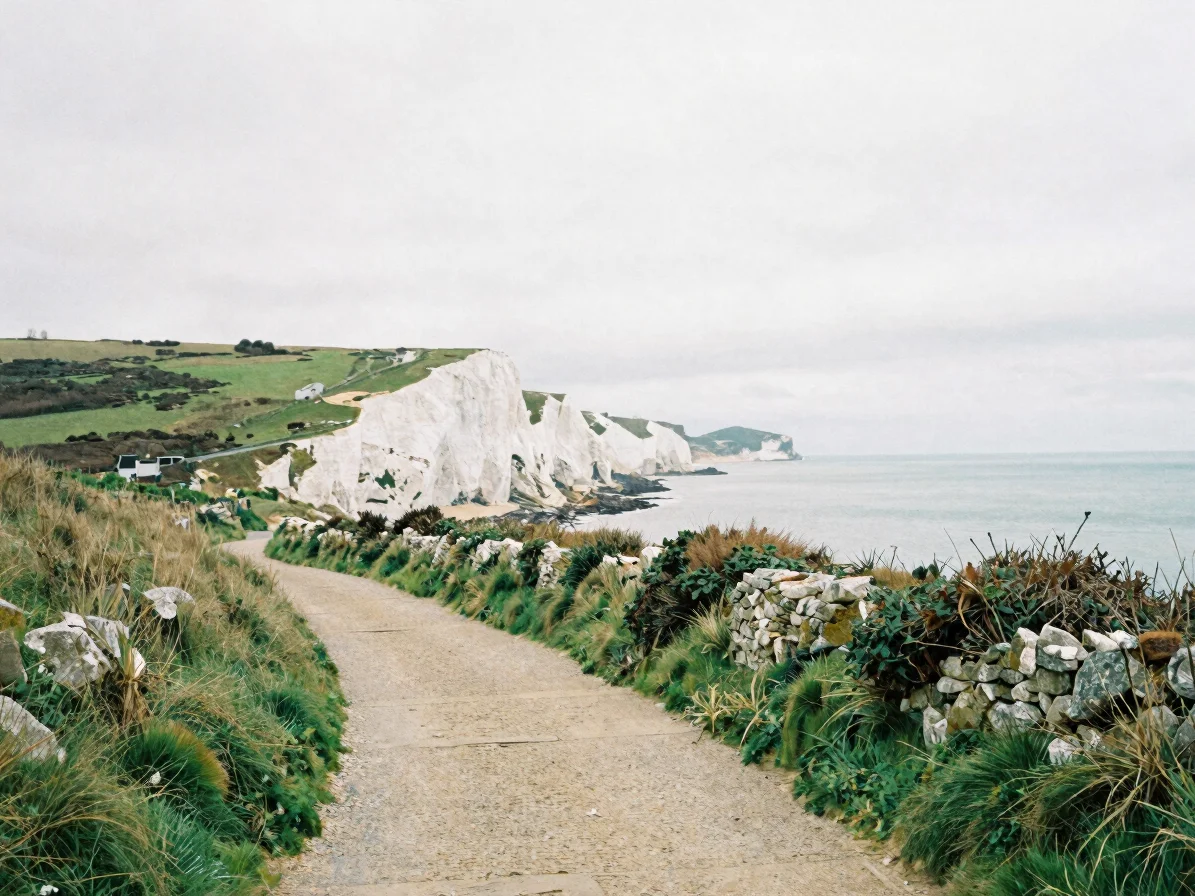
Chalk cliffs, heath, and small harbour towns appear across the Wessex novels. The coast path gives a clear sense of the landscape Hardy wrote into his characters' lives.
Edinburgh
The closes of the Old Town
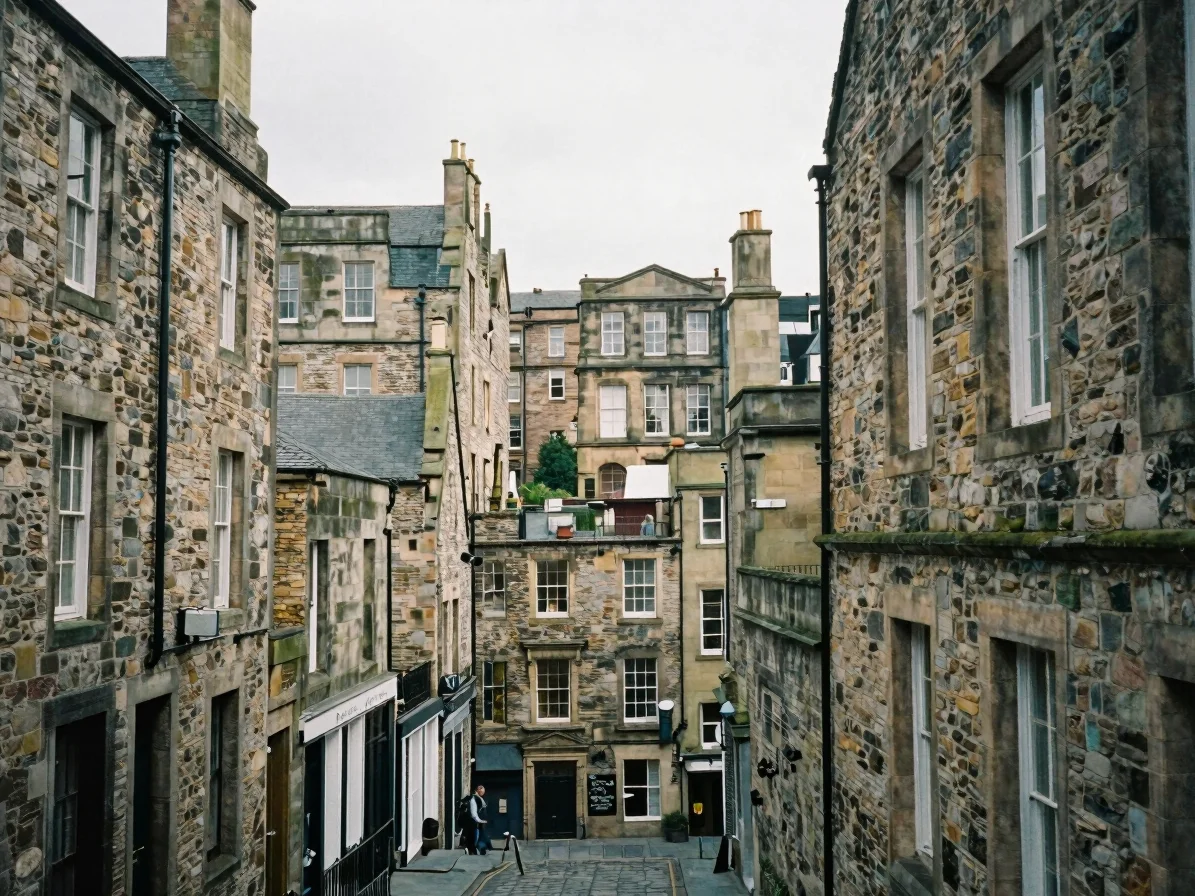
Narrow closes and tall stone tenements form the setting for several Scottish novels. Visiting them on foot shows how dense city streets and fog-lit stairways gave those stories their atmosphere.
On place and weather
The weather on the moor is never quite the same from one page to the next, and the books keep that changeability in every scene.
Reflection on the Brontë landscape